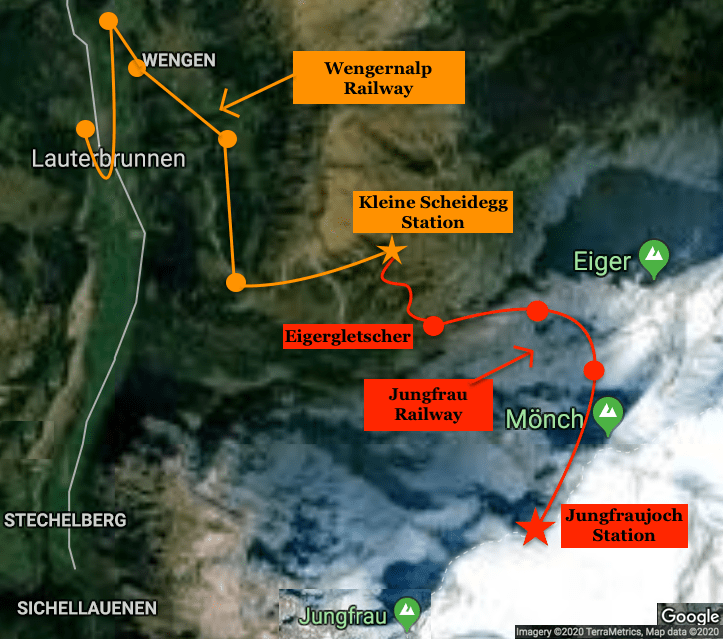
The Jungfrau Railway (Jungfraubahn in German) runs from Kleine Scheidegg in the Bernese Oberland region of Switzerland to the highest railway station in Europe at Jungfraujoch. Sitting at 3,454 metres above sea level, Jungfraujoch is a mountain pass between the Mönch and Jungfrau mountains, the latter of which is the highest peak in the region at 4,158 metres. The train to “the top of Europe” takes approximately fifty minutes to complete its ascent. I took this journey in July 2014.
LAUTERBRUNNEN
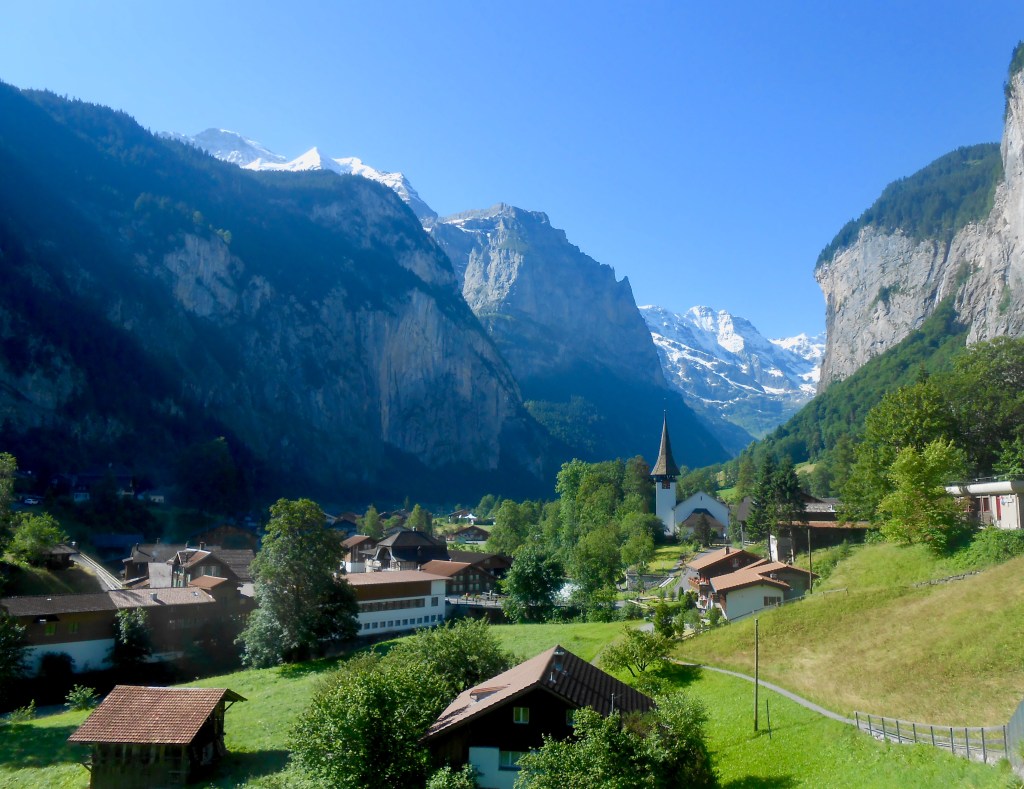
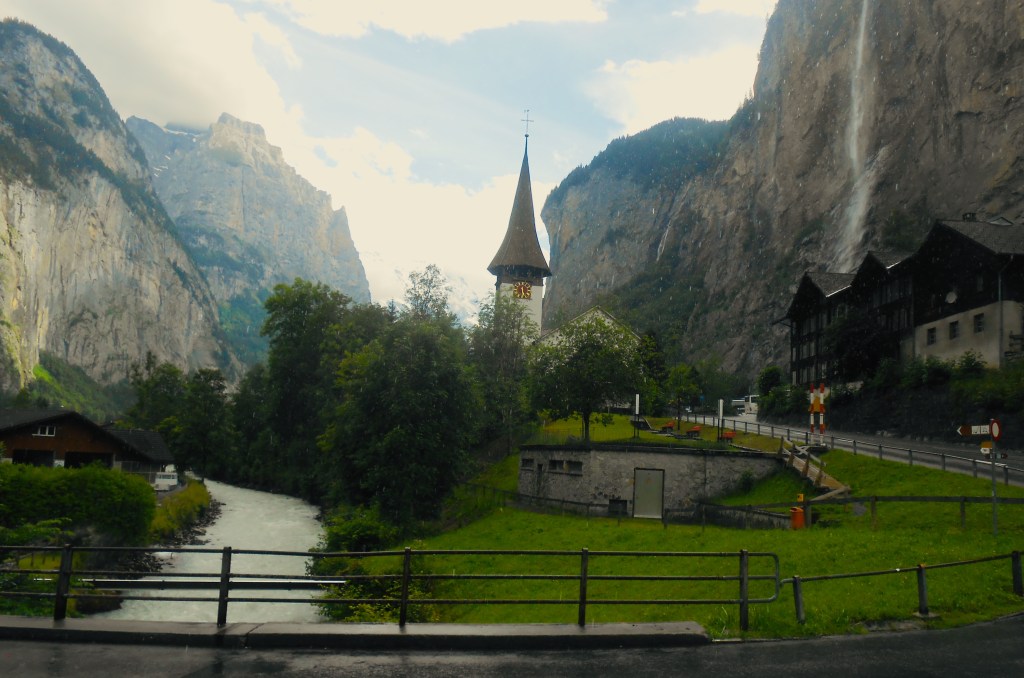
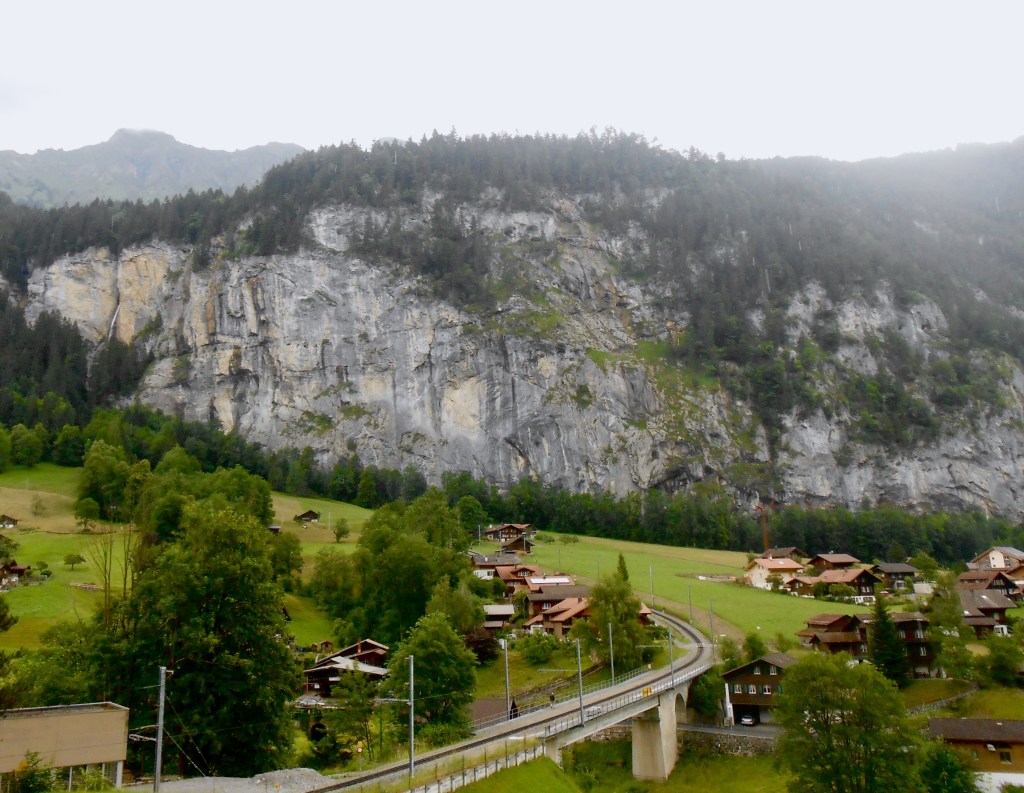
My accommodation was in Lauterbrunnen – a village in the Canton of Bern with a population of approximately 2,300 people. The Lauterbrunnen Valley is one of the deepest in the Alps, and in most parts is less than one kilometre wide. The result is an idyllic village surrounded by extremely steep precipices and 72 waterfalls which spill out over the Valley’s sheer cliff faces. Indeed, the name ‘Lauter Brunnen’ means ‘many fountains’ in German. The river Weisse Lütschine flows through the village.
WENGERNALP RAILWAY
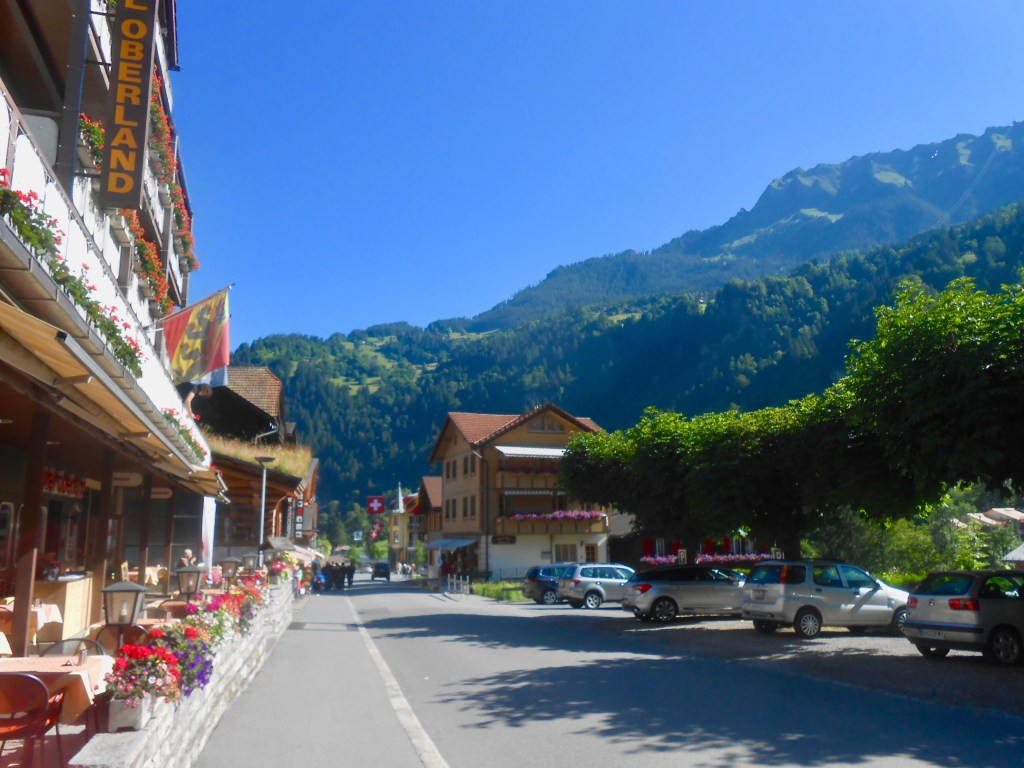
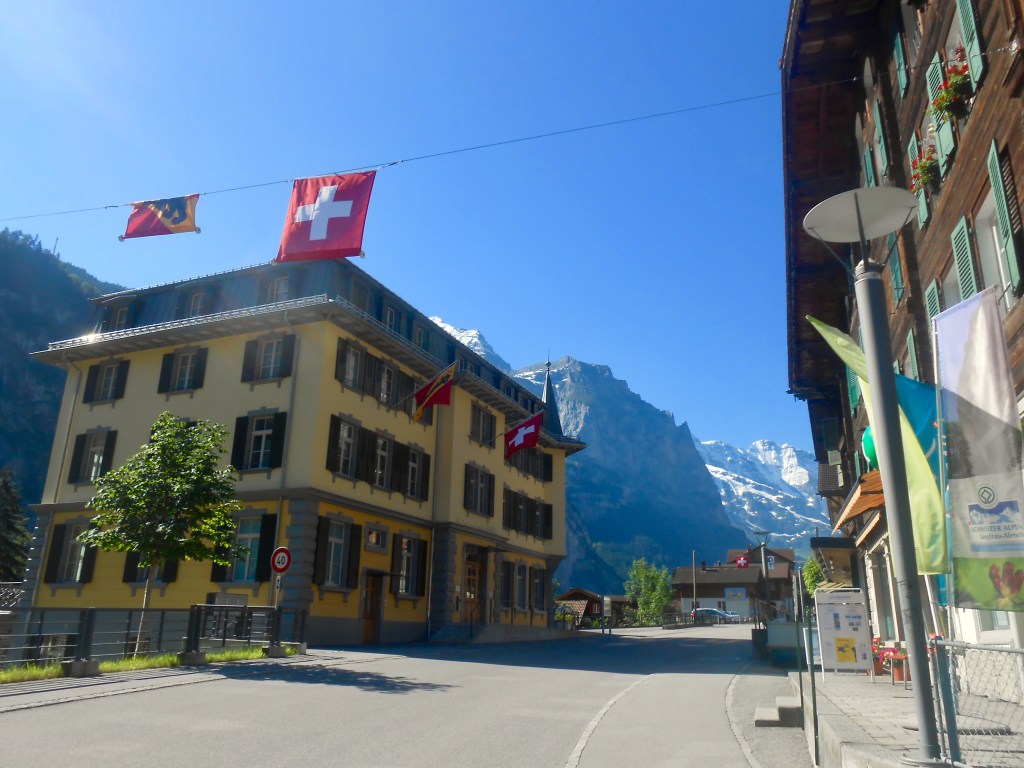
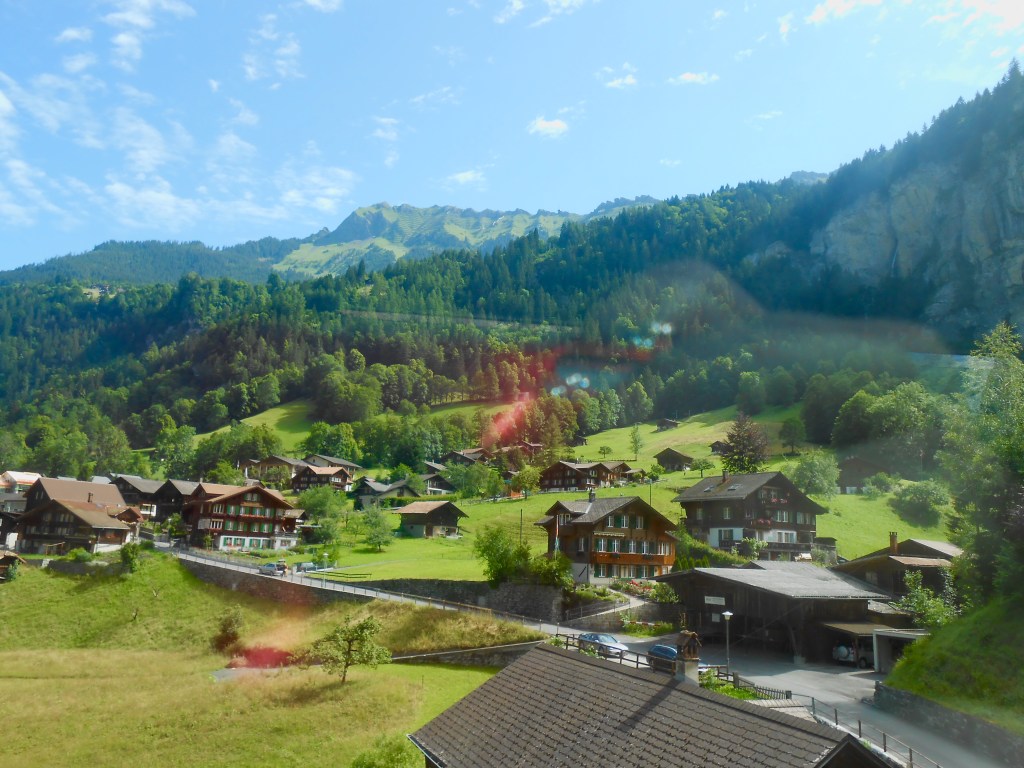
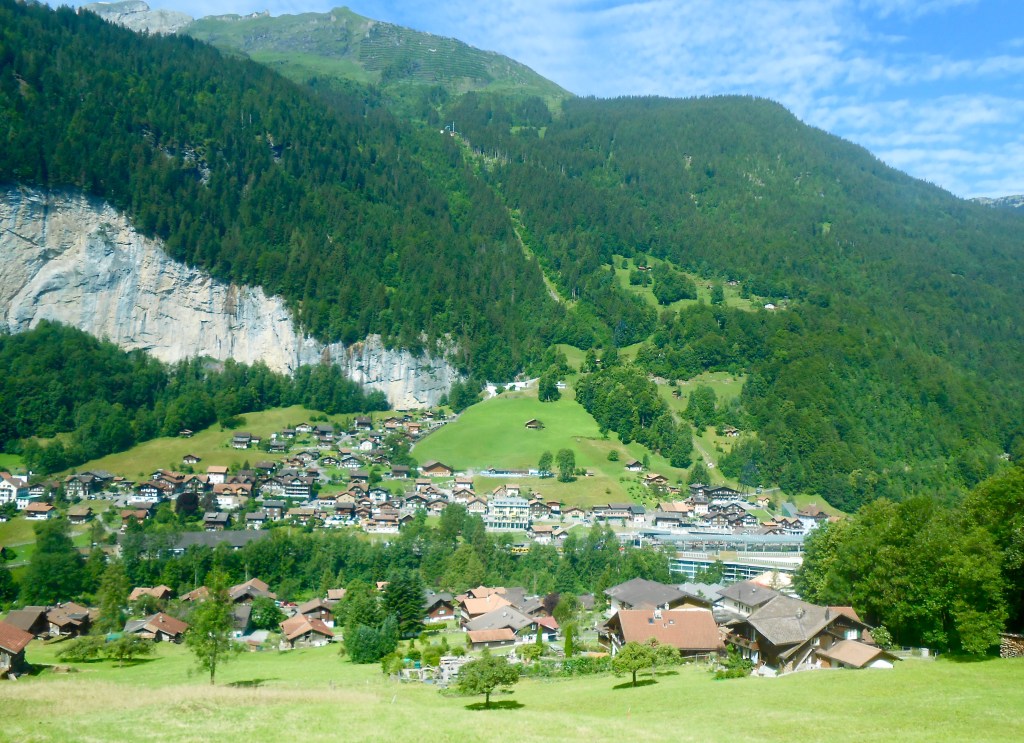
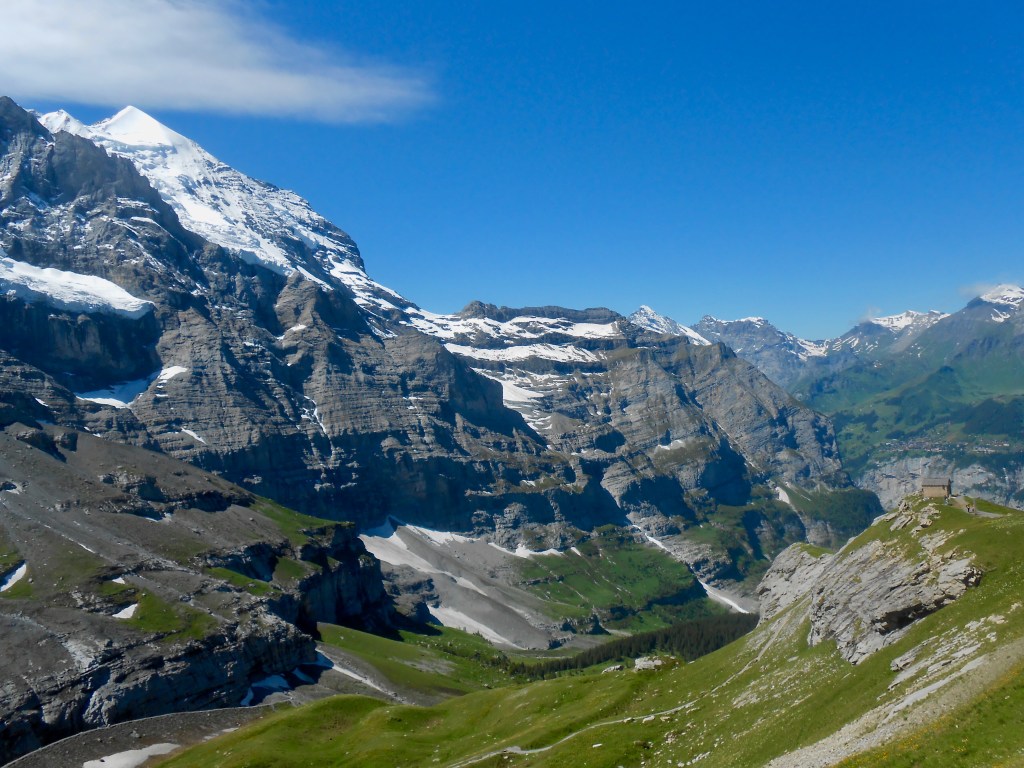
The train to Jungfraujoch commences at Kleine Scheidegg Station. From Lauterbrunnen Station, it was about a 45 minute trip on the Wengernalp Railway to Kleine Scheidegg. The Wengernalp Railway offered astounding views of the surrounding mountains. Whilst most passengers transferred at Kleine Scheidegg for the Jungfrau Railway, the Wengernalp Railway continues to Grindelwald and is the world’s longest continuous rack and pinion, or cog, railway. The pictures below show the view from the Wengernalp Railway between Lauterbrunnen and Kleine Scheidegg.
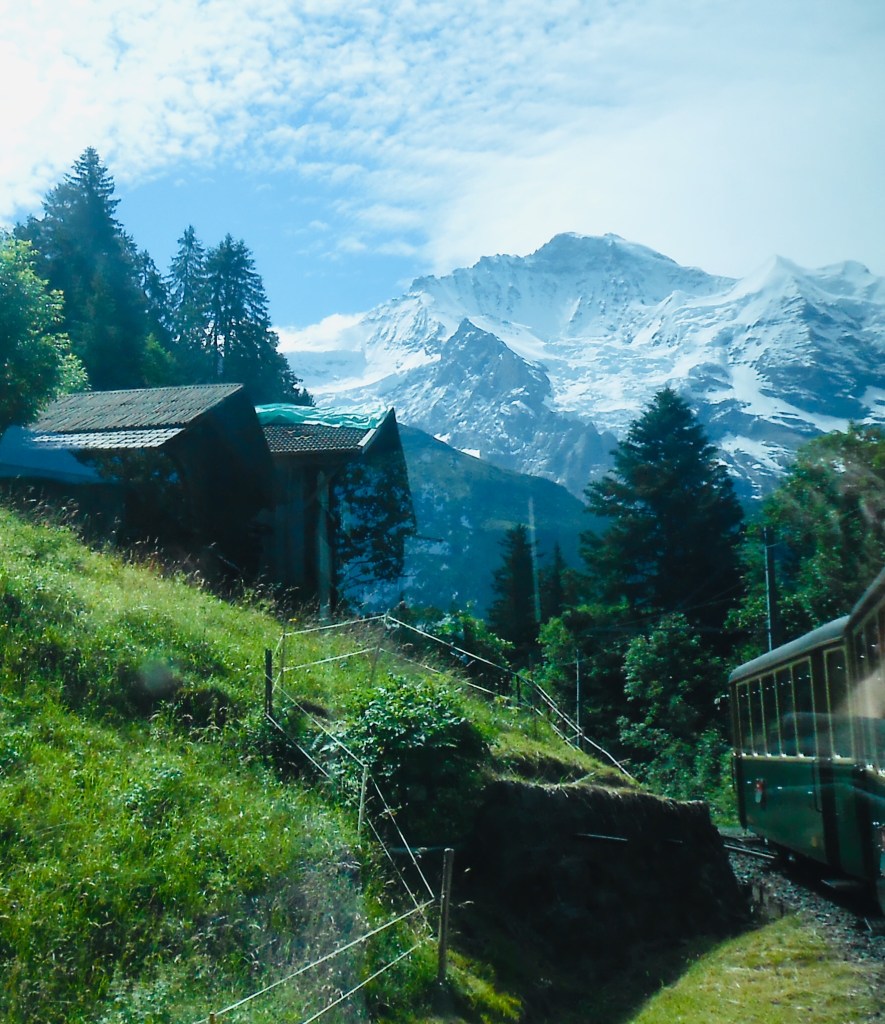
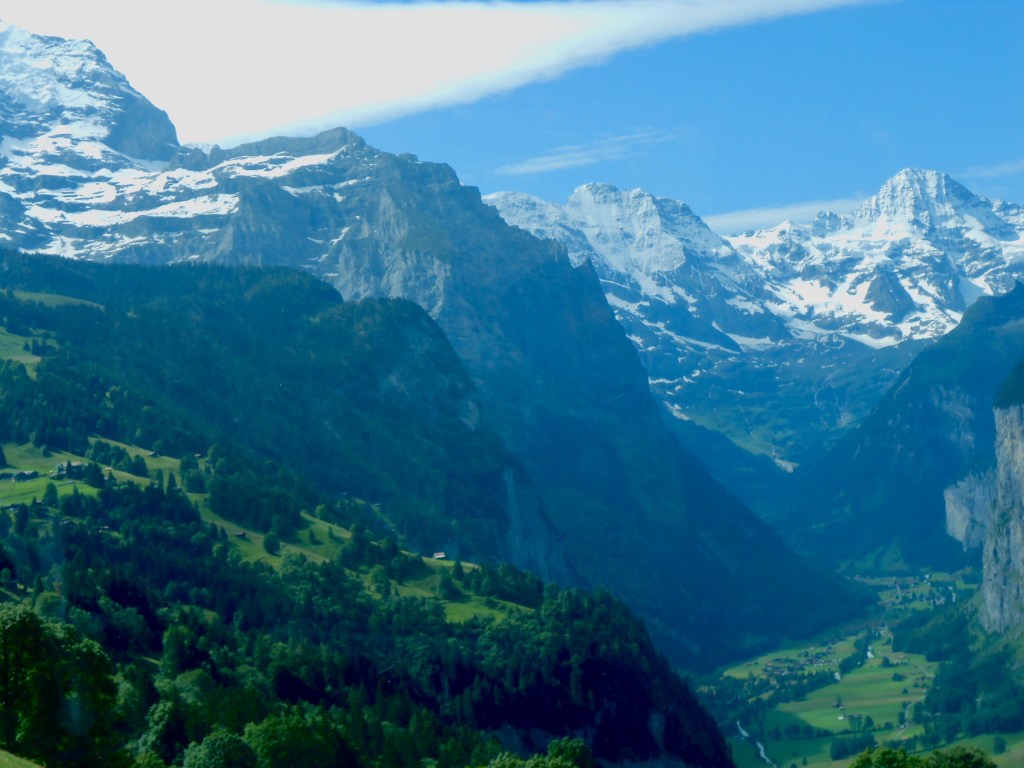
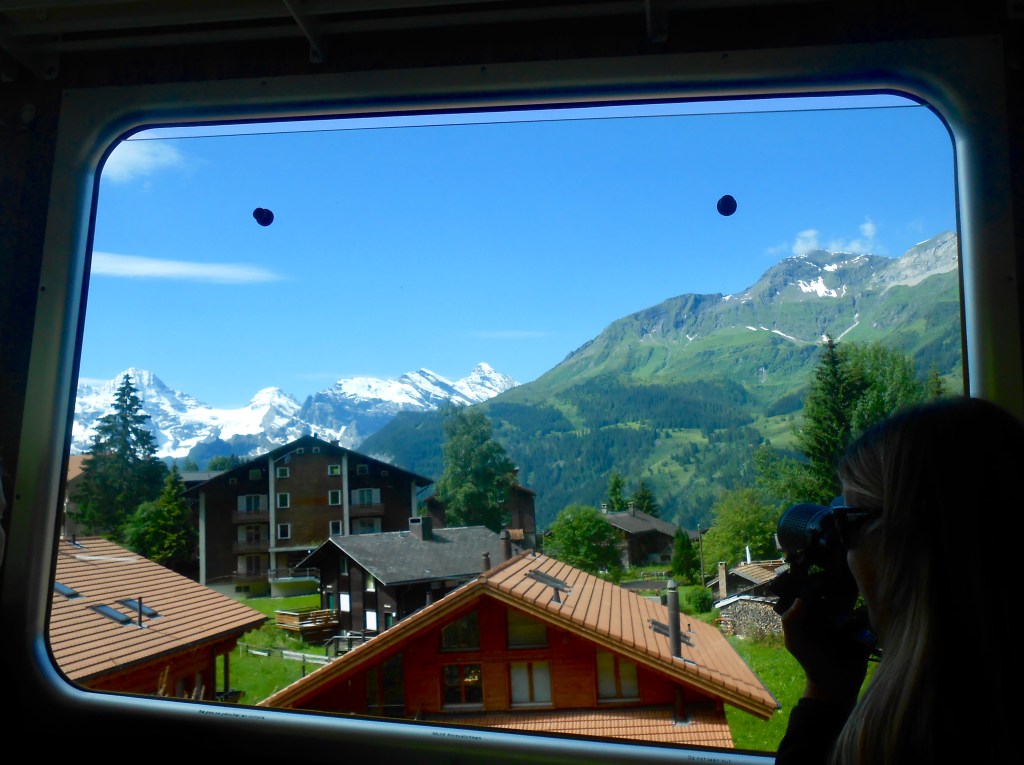
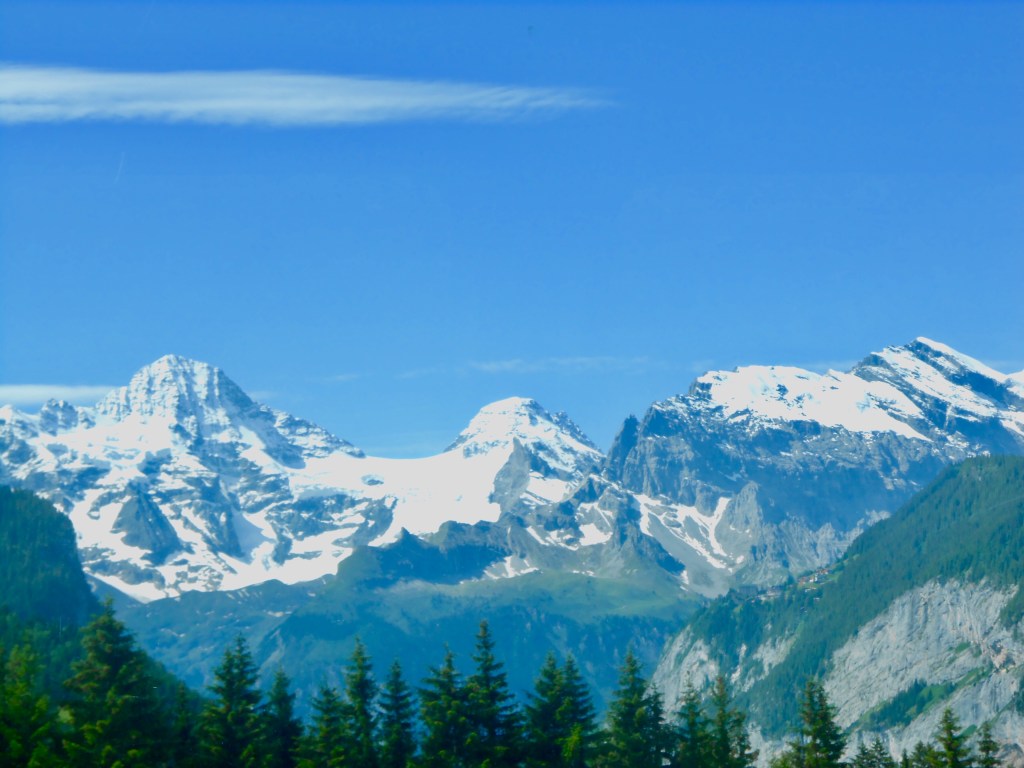
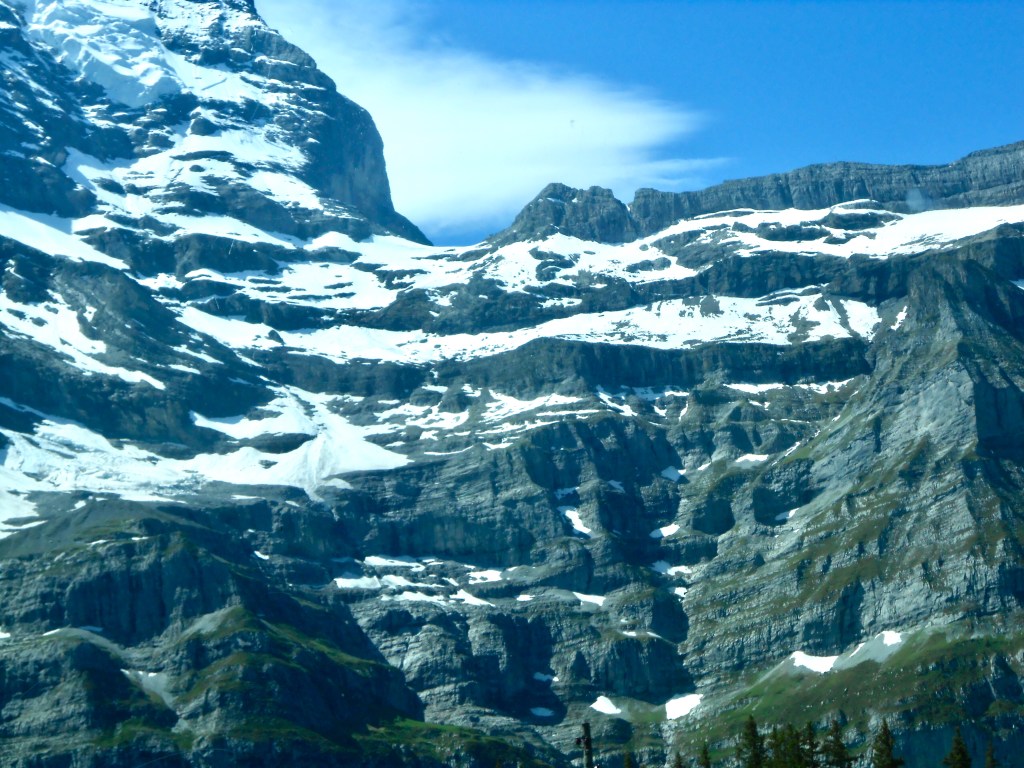
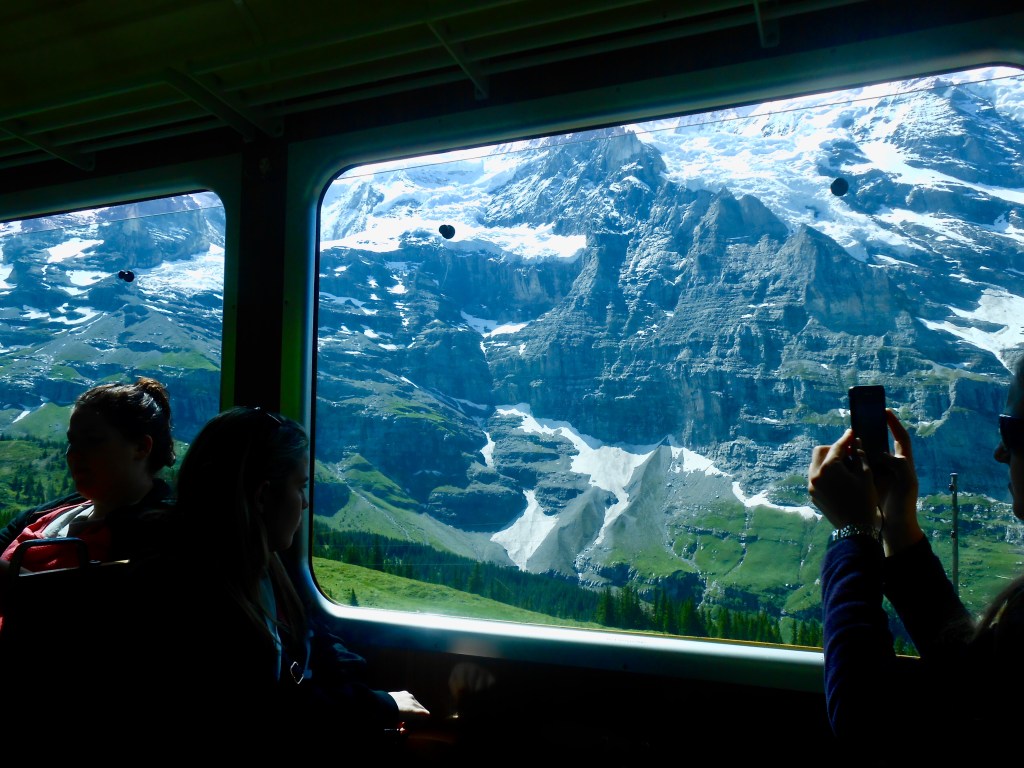
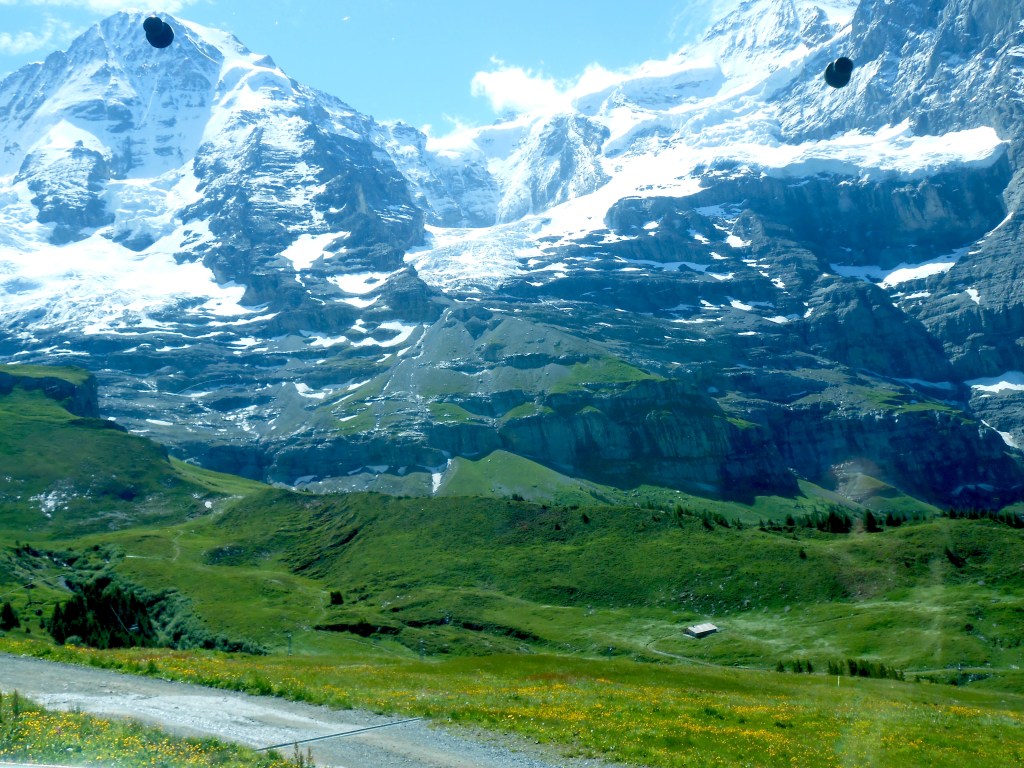
JUNGFRAU RAILWAY
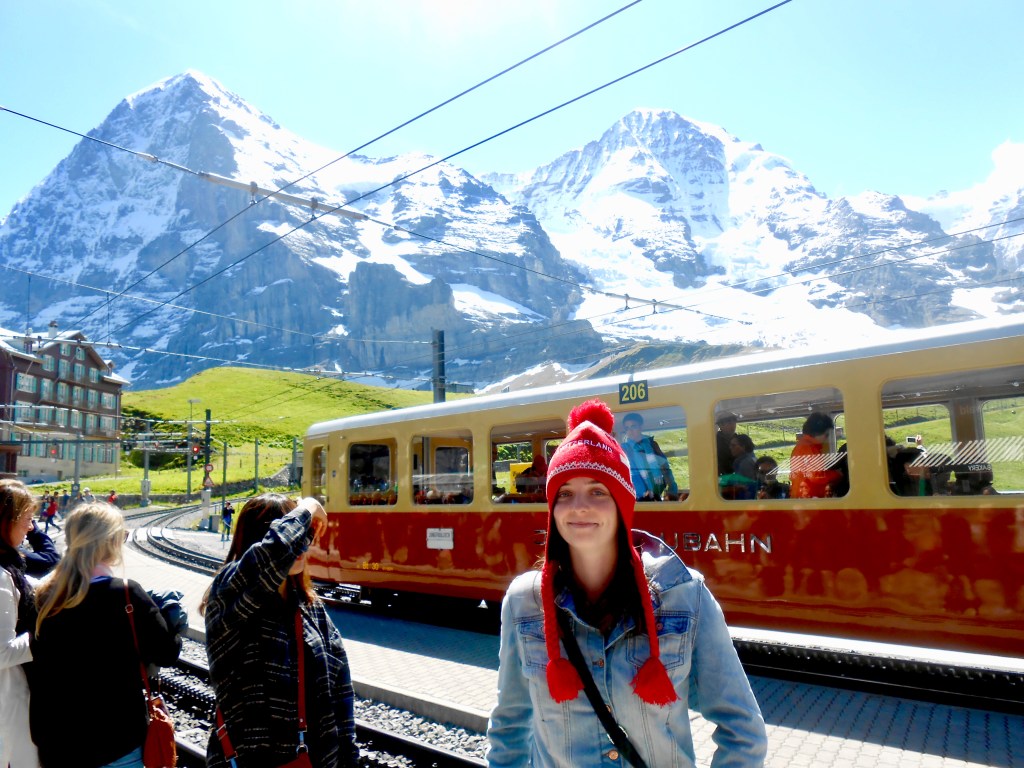
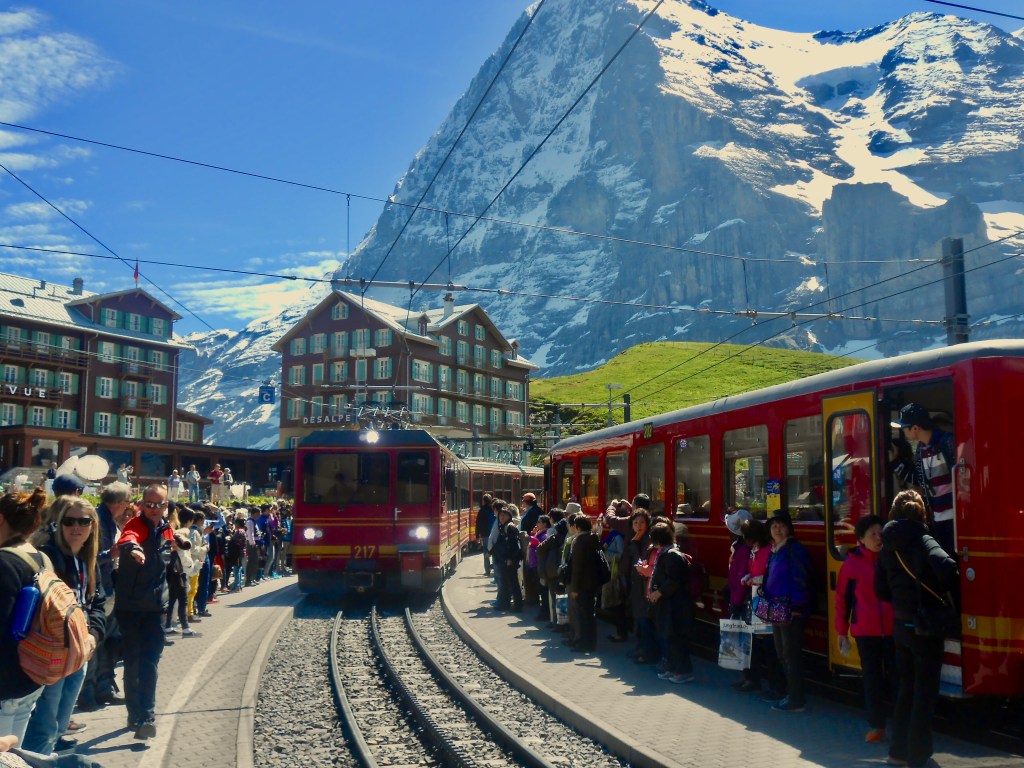
Kleine Scheidegg Station, the start point for the Jungfrau Railway, is perhaps the most beautifully situated of any railway station I have ever seen. There was something spectacular about the red train approaching against the backdrop of the surrounding snow-covered mountains and green alpine meadows. Situated next to the tracks is the Hotel Bellevue des Alpes which featured in The Eiger Sanction (1975) starring Clint Eastwood. Ideally located at the foot of the Eiger’s North Face – which is also known as “murder wall” after the scores of mountaineers who have died there – the Hotel first became famous during the 1930s when the press and spectators would gather on the Hotel’s balconies to follow the progress of mountaineers climbing the Eiger.
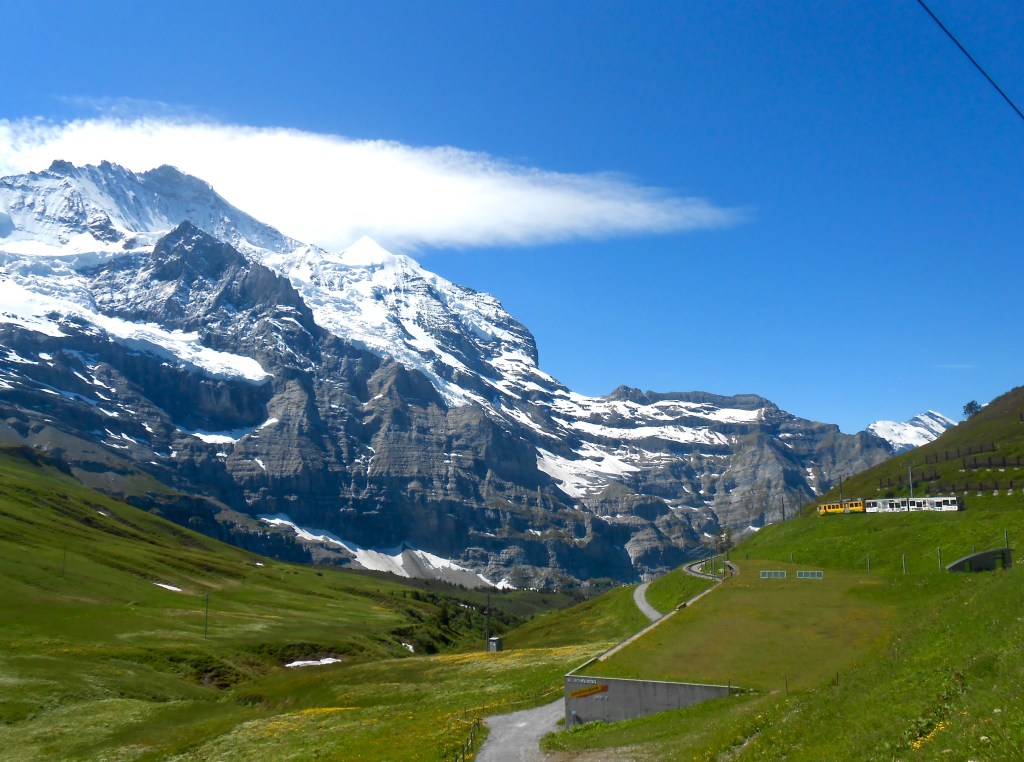
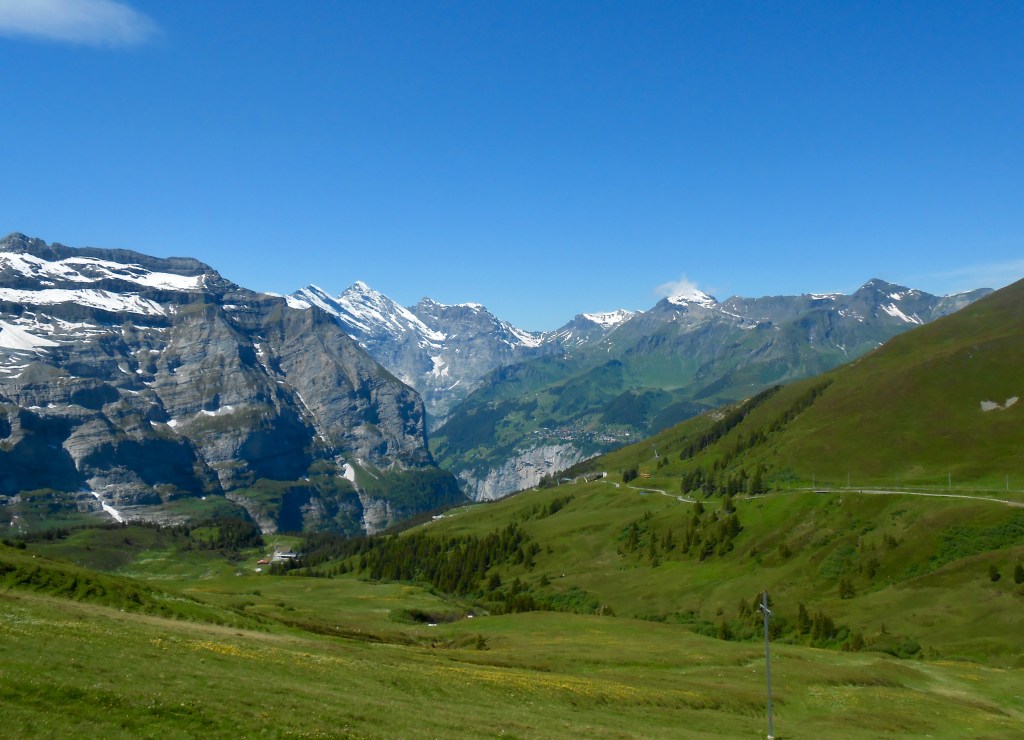
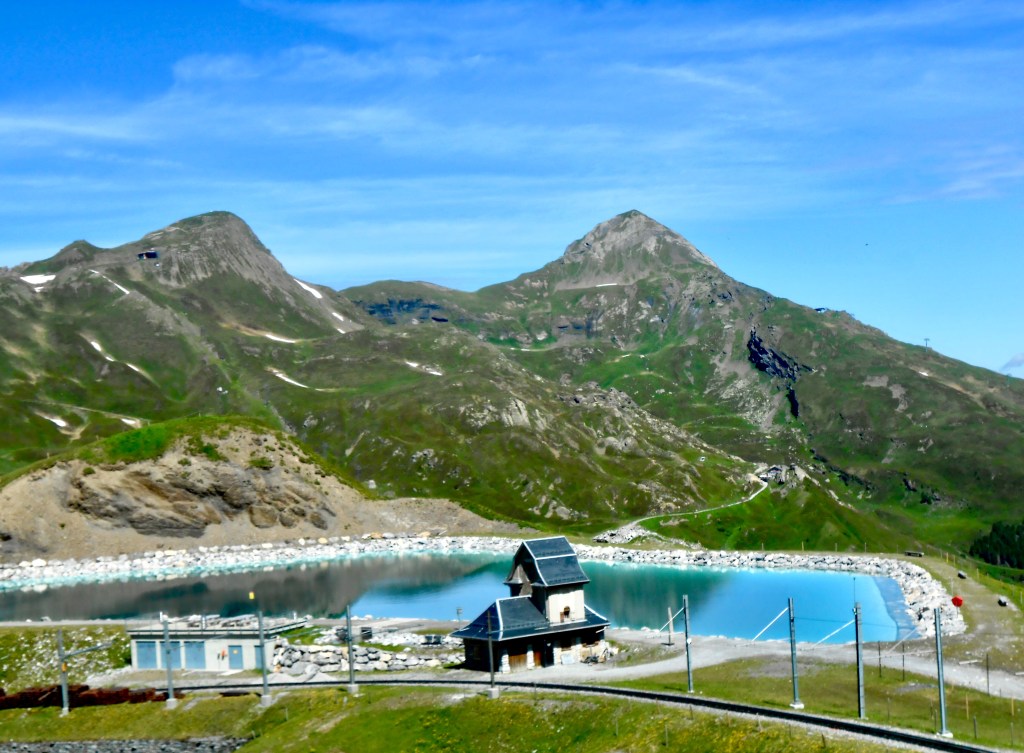
Opened in 1912, the majority of the railway runs within the Jungfrau Tunnel which is built into the Eiger and Mönch mountains. The railway was the vision of wealthy Swiss industrialist and entrepreneur Adolf Guyer-Zeller. Construction of the railway commenced in 1896. By 1898, the railway had opened as far as Eigergletscher which marks the end of the line’s initial open-air section. Construction of the tunnel was then commenced, but bad weather and the use of dynamite led to frequent accidents, explosions, and worker deaths. Management responded to worker strikes with dismissals. In 1899, Guyer-Zeller died and his ambitious plan to extend the railway to the summit of Jungfrau was dropped. Instead, the decision was made that Jungfraujoch would serve as the end of the line. The pictures below show the view from the Jungfrau Railway between Kleine Scheidegg and Eigergletscher.
After entering the tunnel at Eigergletscher, the train made two brief stops at Eigerwand and Eismeer, allowing passengers to alight and enjoy the scenery from viewing windows built into the rock face. Since late 2016, Eigerwand station is no longer used, reducing the travel time to Jungfraujoch and allowing an additional train to travel to the mountain pass each day. This is an unfortunate commercial development, with the desire to transfer more passengers as quickly as possible to Jungfraujoch meaning visitors now miss out on experiencing Eigerwand, a historic starting point for rescue missions, with mountaineers stranded on the Eiger able to be rescued via train. A door in the sheer face of the mountain which provides a connection to the railway station was most famously used during the Eiger North Face climbing disaster of 1936.
The Jungrau Railway will take a further hit when a gondola cableway between Grindelwald and Eigergletscher is completed in late 2020. In addition to supporting the further commercialisation of the railway and Jungfraujoch, those who opt for the cableway will miss out on the railway’s initial open-air section, not to mention the excitement of seeing the train roll into Kleine Scheidegg. Visitors who prioritise “reduced travel times” and “a direct connection” to Jungfraujoch will also miss out on the historic and record-holding Wengernalp Railway when travelling from Grindelwald.
JUNGFRAUJOCH
Continuing up inside the Eiger and Mönch mountains after its brief tunnel stops, there was much excitement as the train arrived at Jungfraujoch.
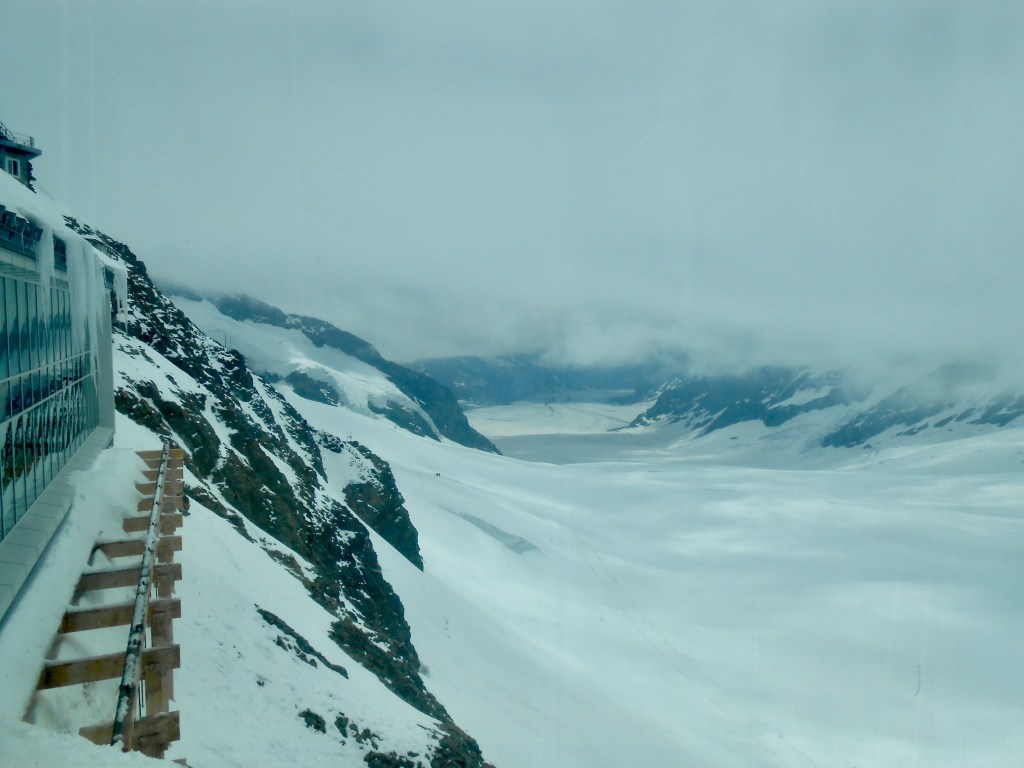
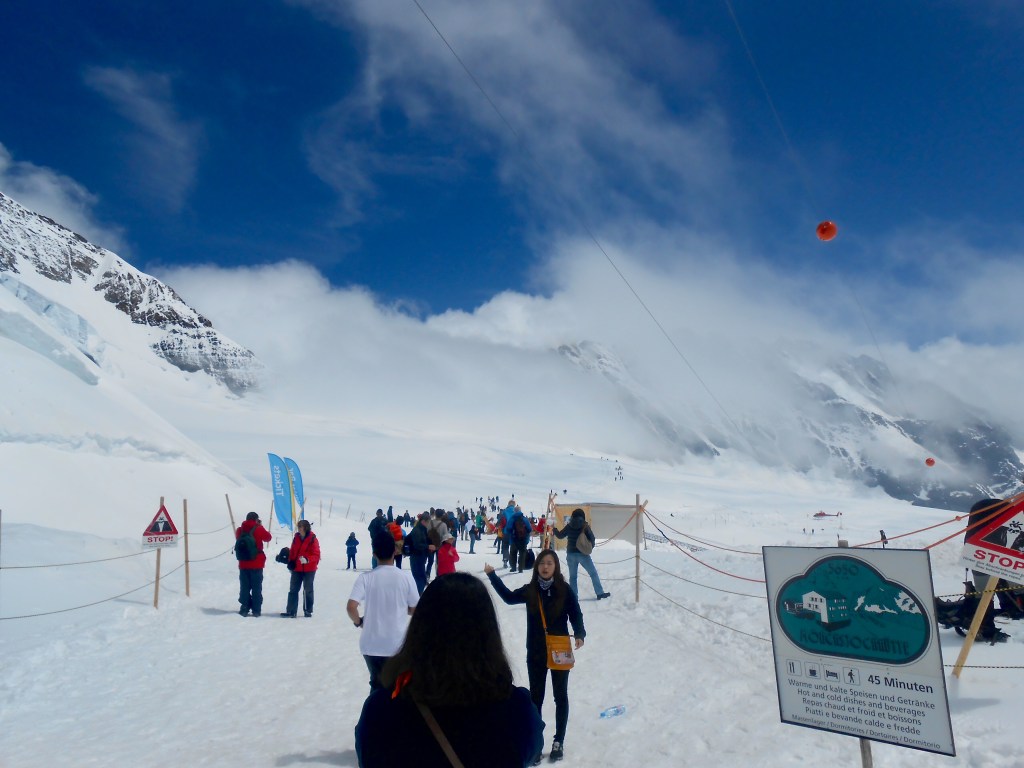
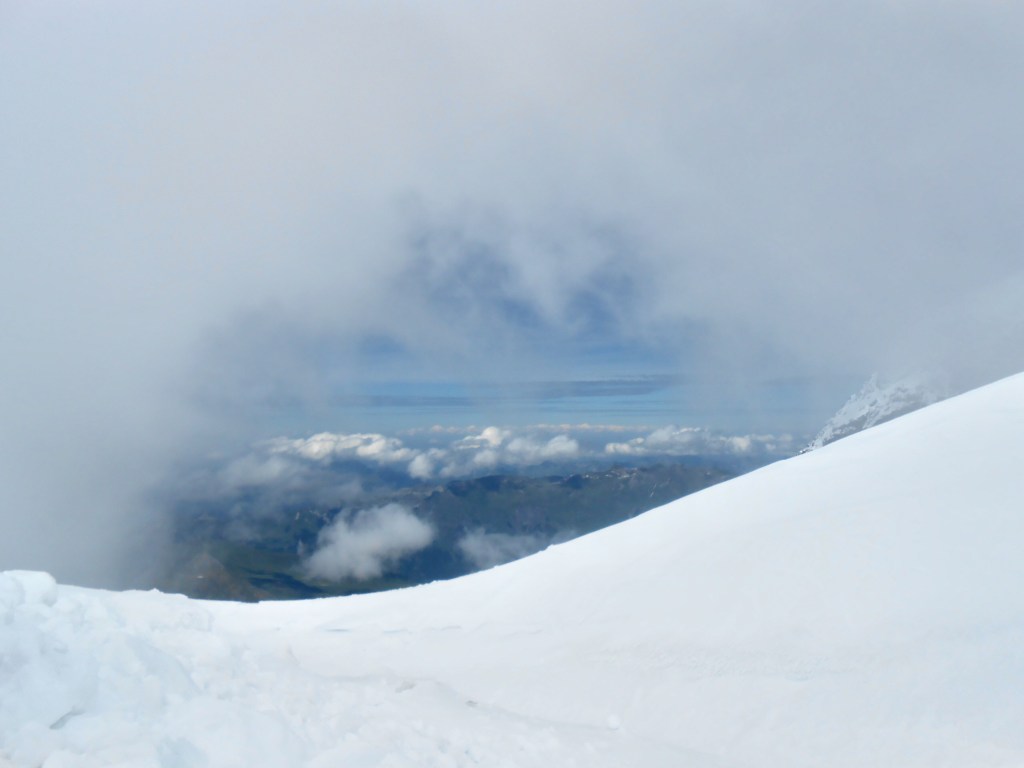
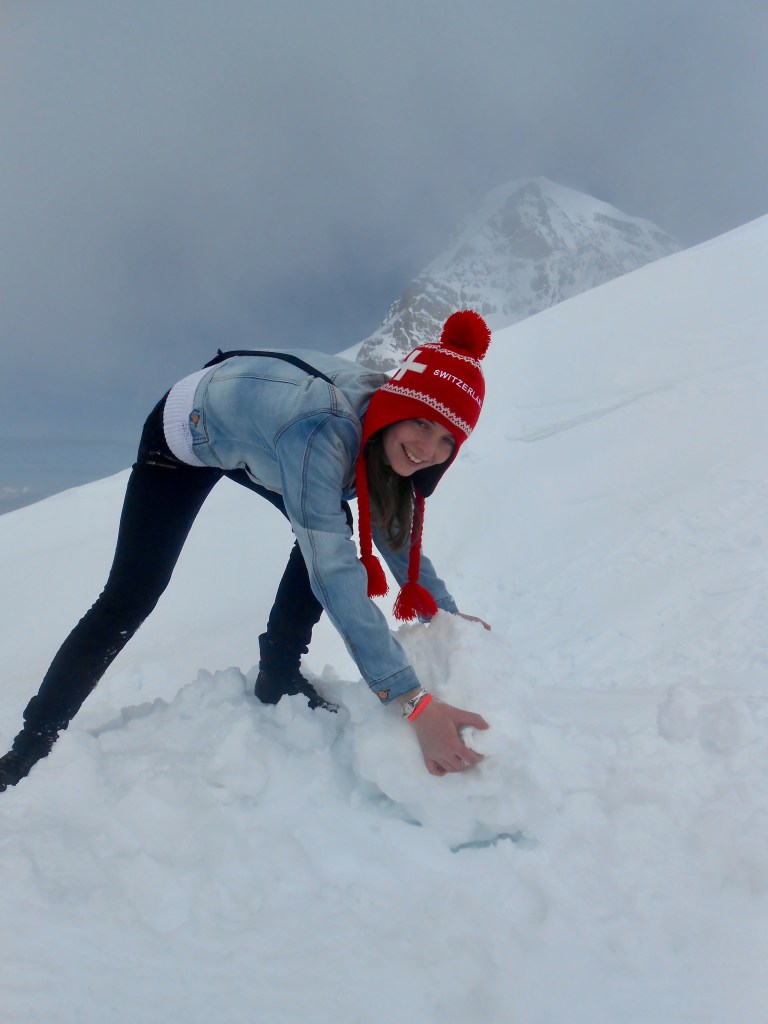
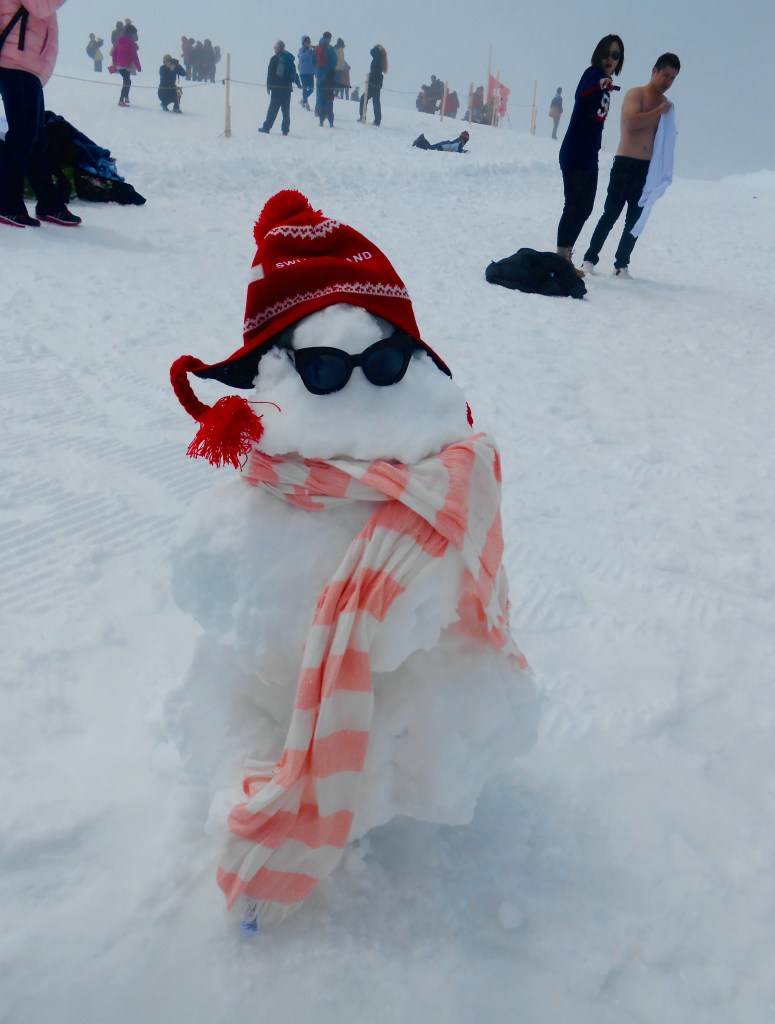
It was a cloudy day meaning the views from Jungfraujoch were disappointing. On clear days, Glacier Plateau and the Sphinx Terrace apparently provide unparalleled views of the nearby Jungfrau and Silberhorn mountain peaks. One can also partake in skiing, snowboarding, sledding, snow tubing, and zip lining at the ‘Snow Fun Park’.
The inside complex was impressive with restaurants, souvenir shops, a Lindt chocolate shop and experience, Europe’s highest post office, and an ‘ice palace’ consisting of ice tunnels and sculptures carved out of the glacier. There was also a cheesy ‘Alpine Sensation’ display geared more towards children.
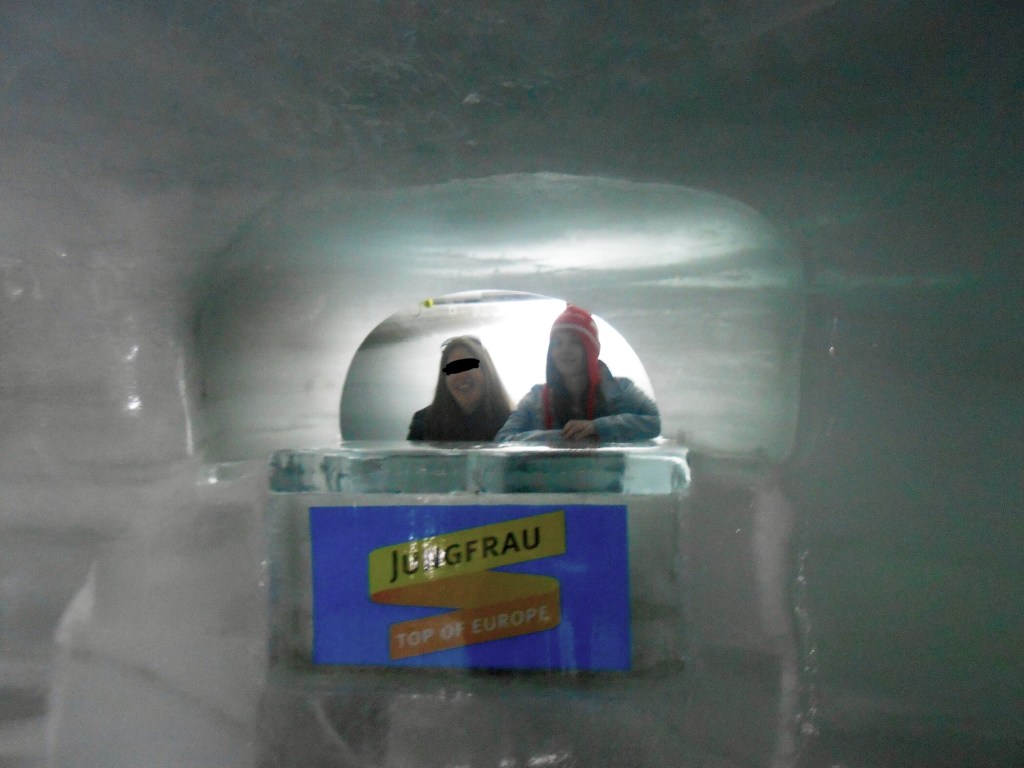
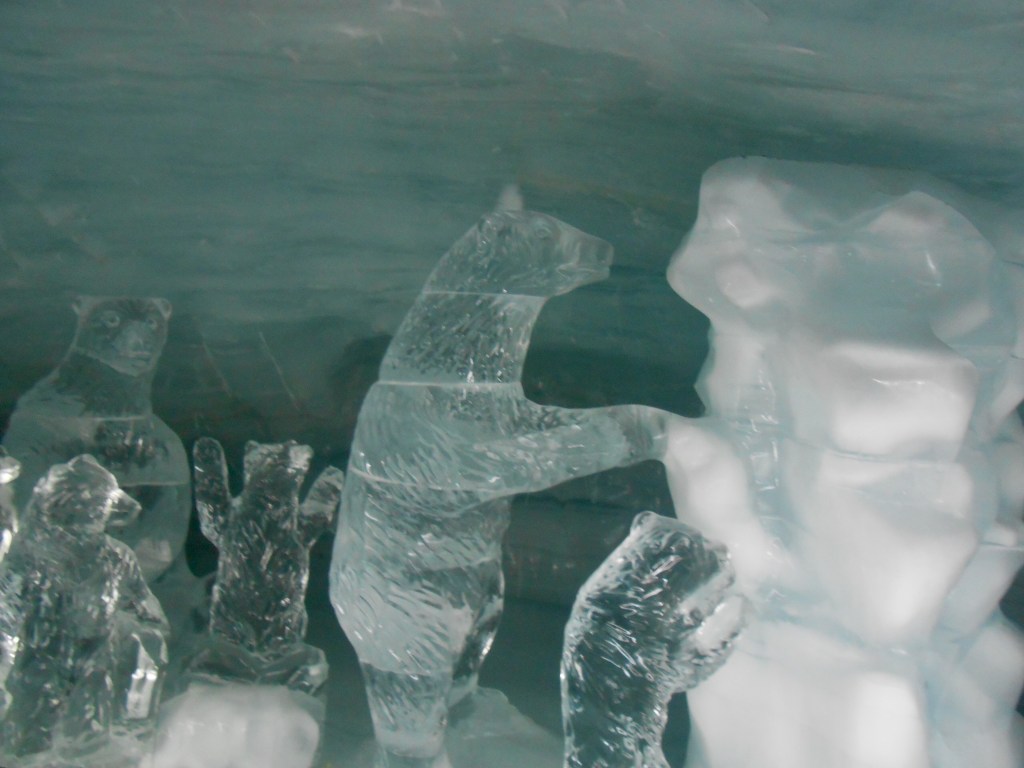
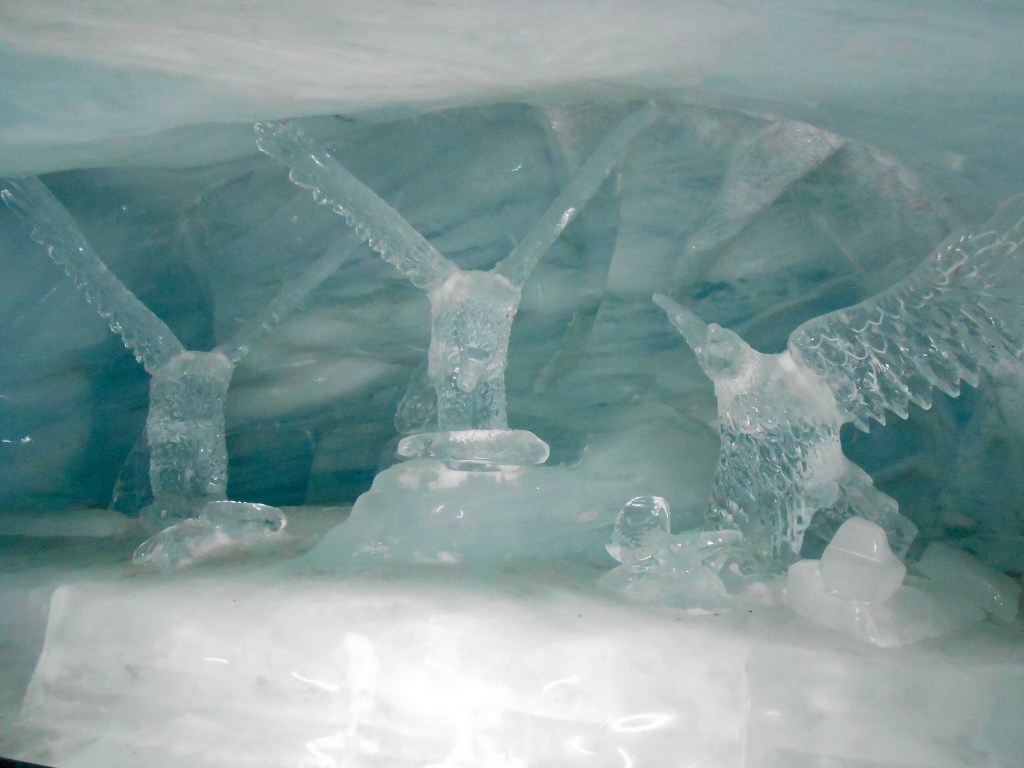
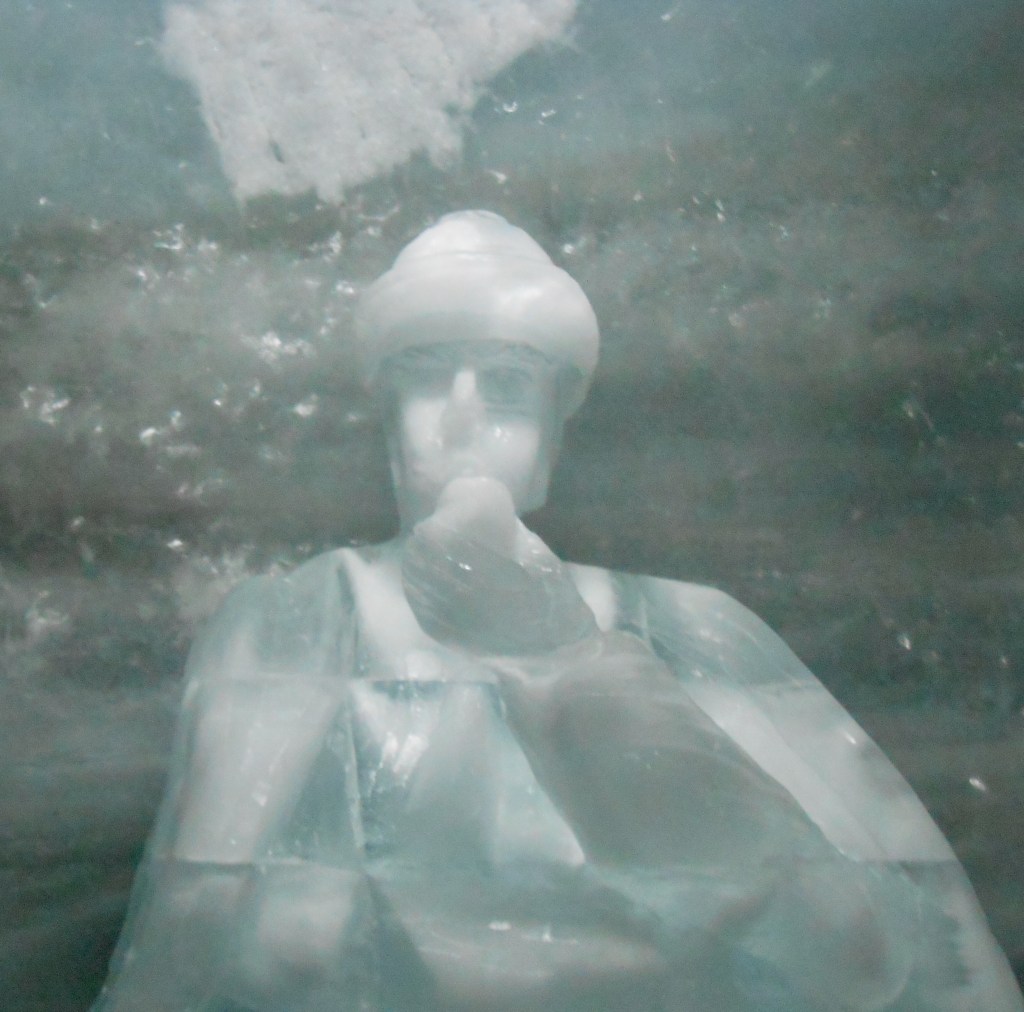
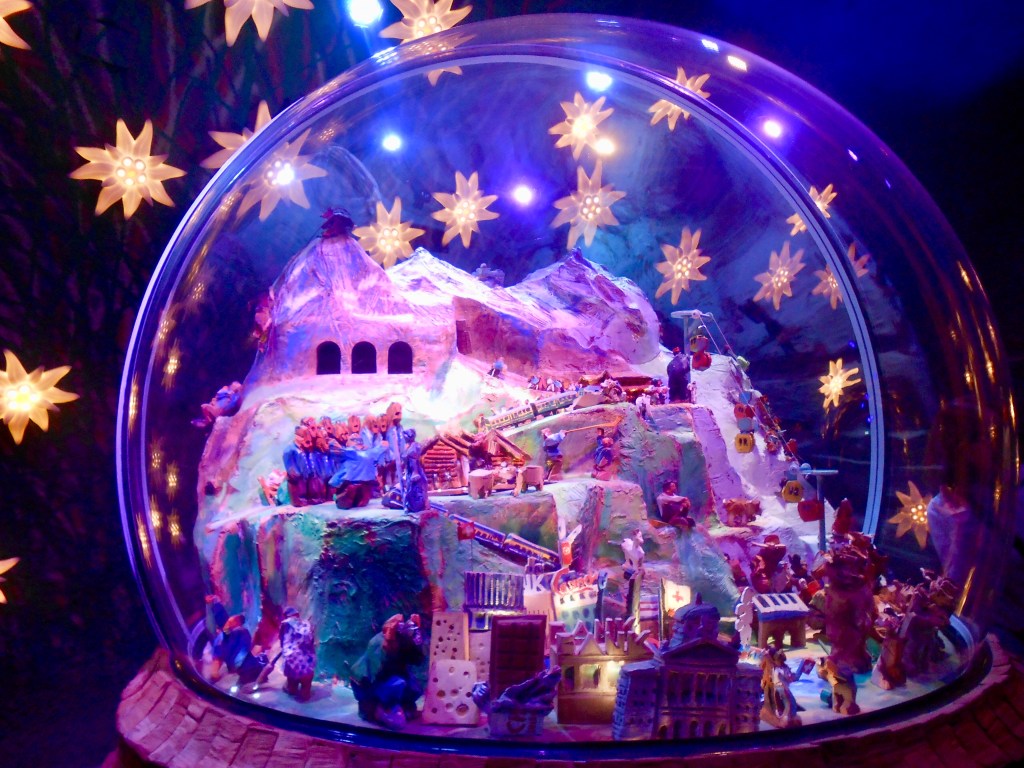
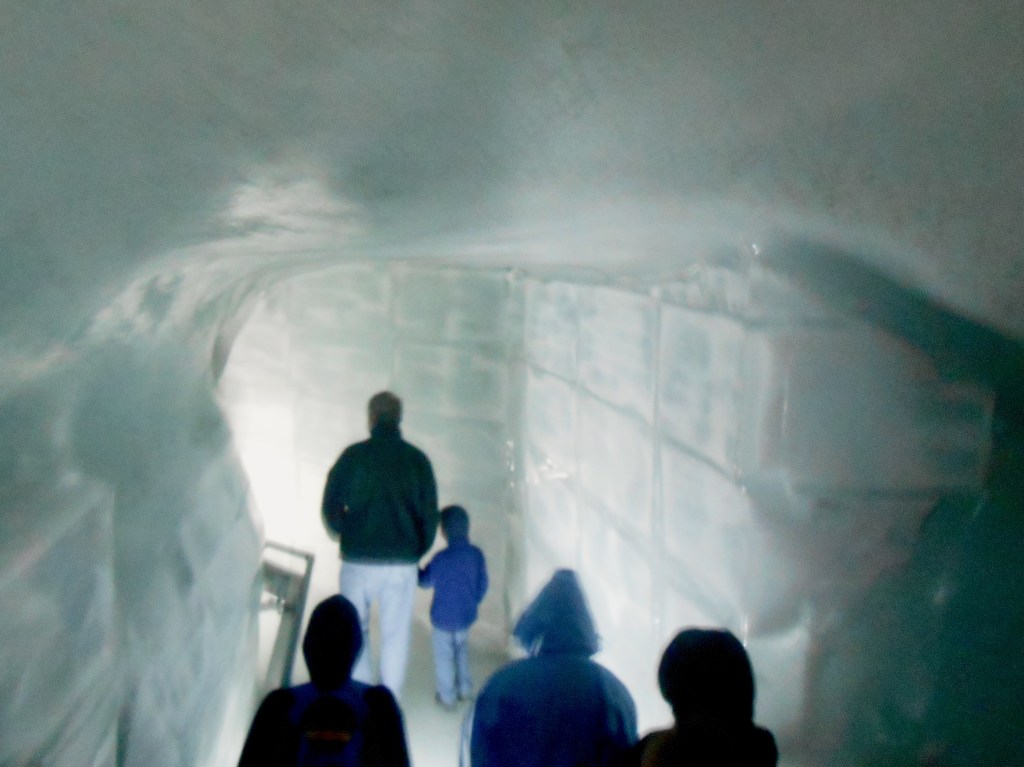
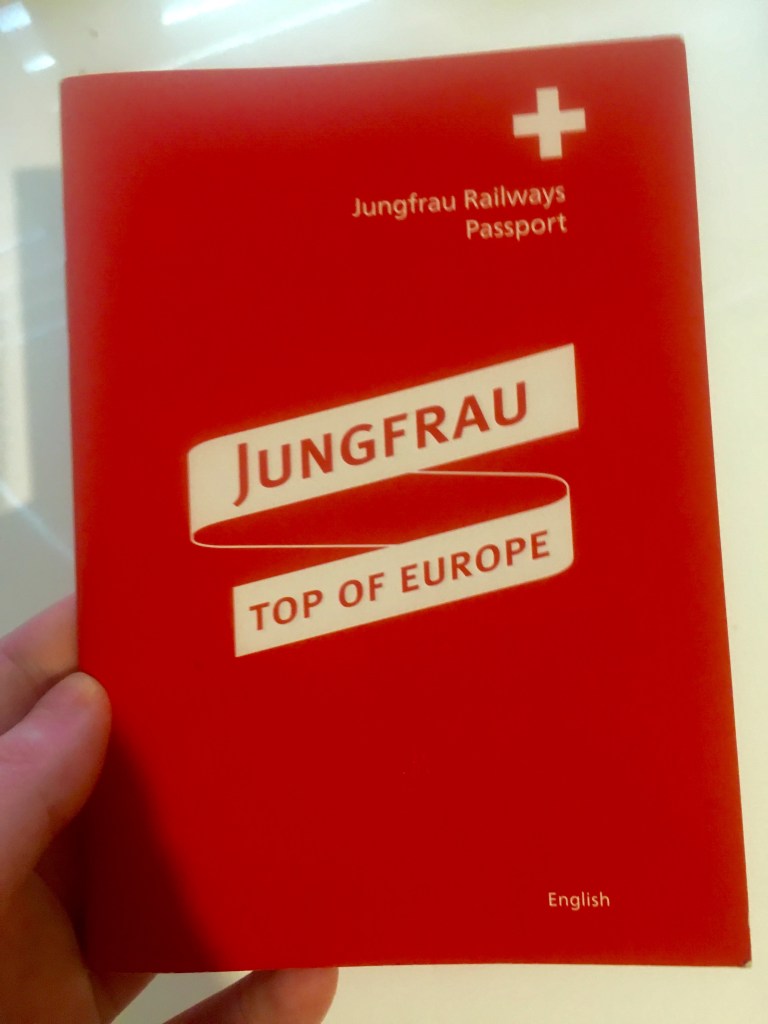
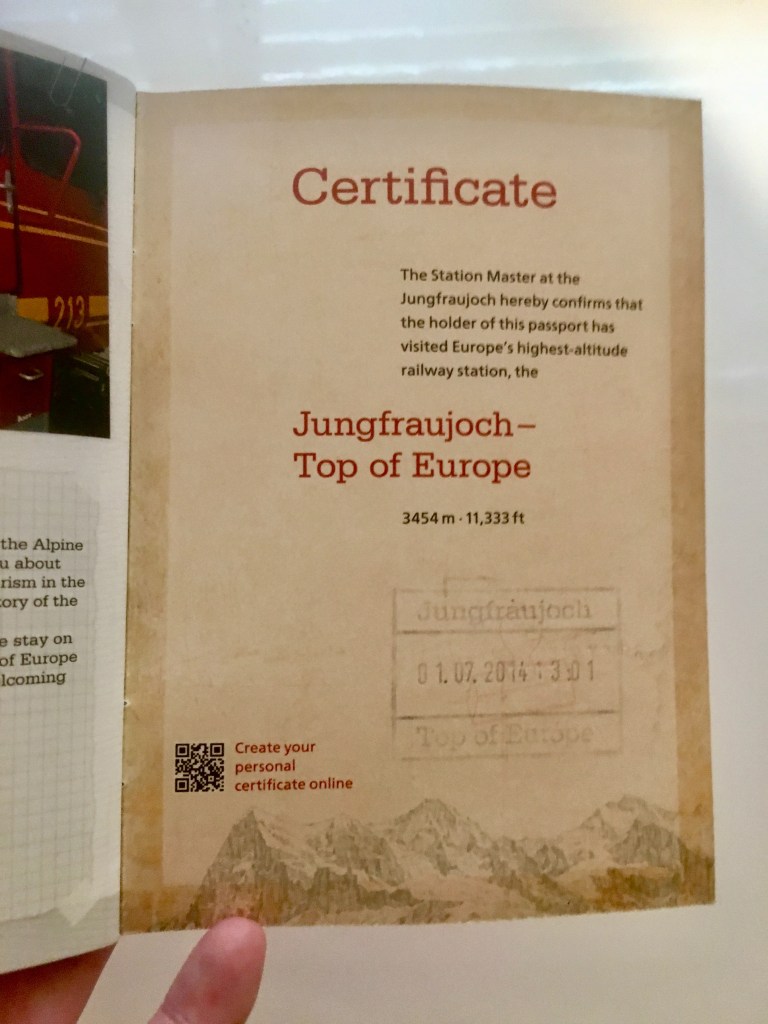
Even on a cloudy day, I found that the complex contained enough attractions, displays, and information about the history of the railway to keep passengers occupied for a few hours.
When it was time for the return trip to Kleine Scheidegg, I boarded the Jungfrau Railway once again, before switching to the Wengernalp Railway for the line to Lauterbrunnen.
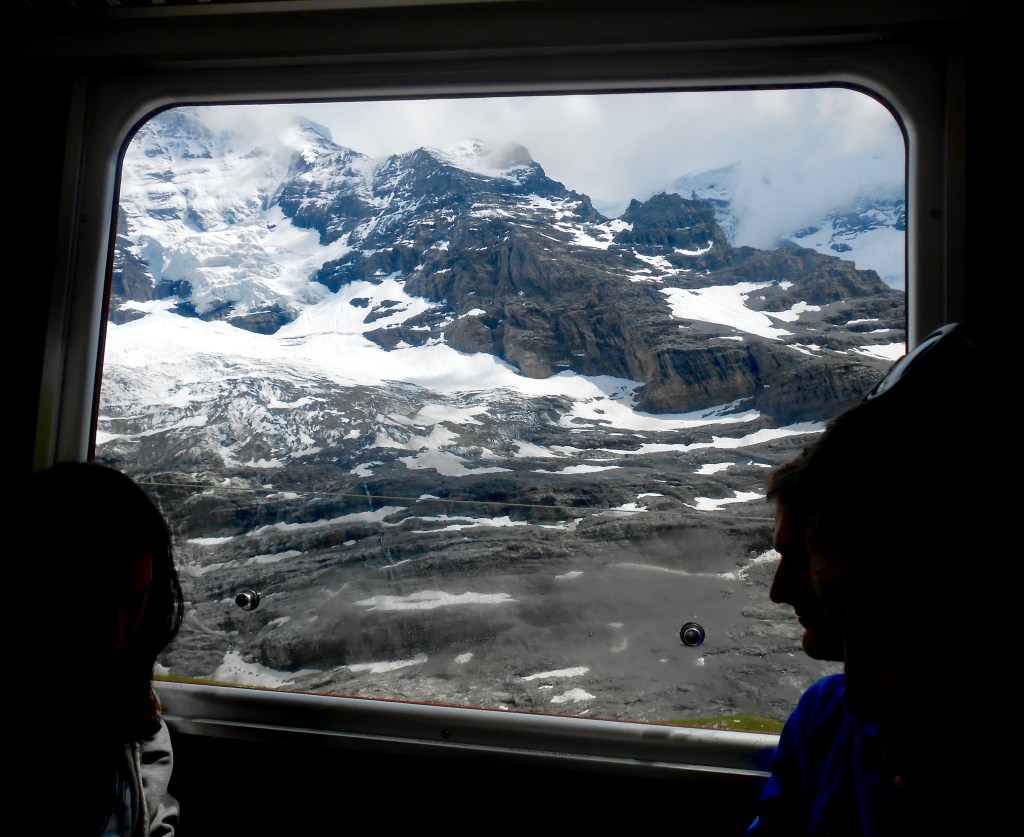
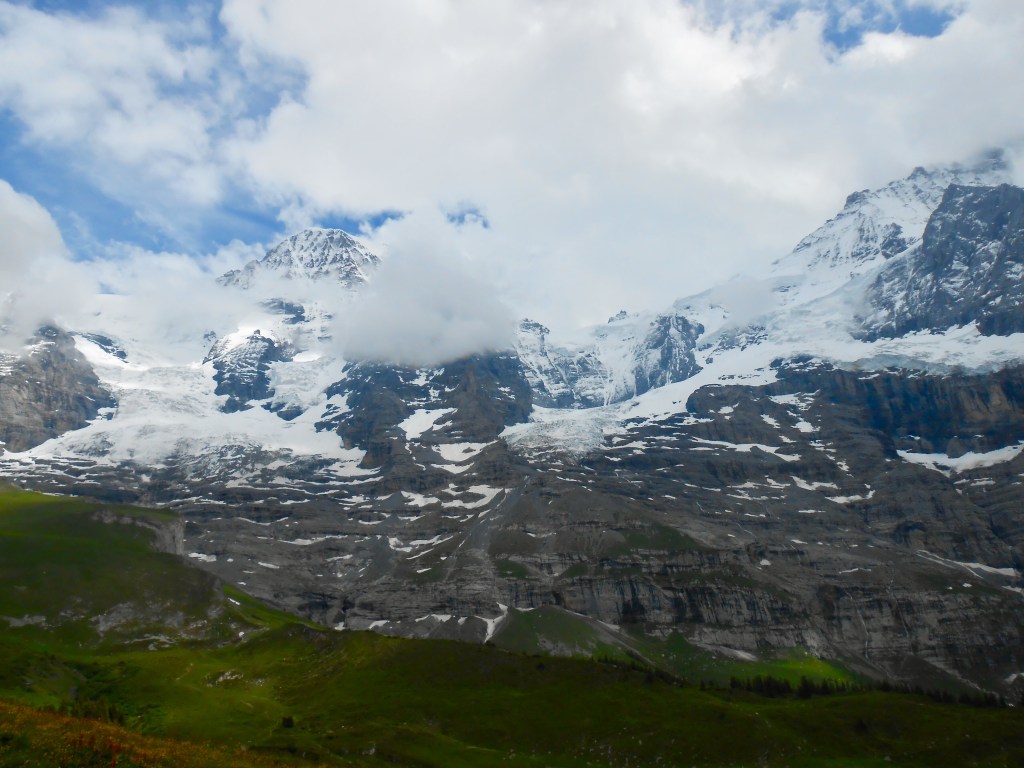
Overall, the Jungfrau Railway should certainly not be considered one of the world’s best railway journeys. Seven of the line’s nine kilometres are inside a tunnel, meaning almost 80% of the railway trip is in darkness. Whilst initially the train travels in the open-air, the views from the Wengernalp Railway which transported me to Kleine Scheidegg were just as, if not more, impressive. In my opinion, a spectacular rail journey is one where passengers are loath to alight; where there is a real and immediate desire to take the rail journey all over again; to experience the trip in all seasons of the year. Although the Jungfrau Railway does not fall within this class of train journey, it is still a trip that is worth experiencing once. Those interested in riding a historic railway should find the trip worthwhile, even if there is low visibility on the day. The railway is an impressive feat of engineering and the excitement on board is palpable as the train ascends through the steeply-climbing tunnel built inside the mountains, before reaching the highest railway station in Europe.

 Tales from Rails
Dear Jacqueline,
The Swiss Alps do indeed look wonderful and have been favourite travel destinations for me for a while now. I hope your mysterious research is commensurate to the fun you clearly had on your train travels.
Looking forward to seeing you soon in Aus
LikeLike
Thank you Hugo, I look forward to your visit.
LikeLike
Rumour has it this train blog will soon see a major expansion!
LikeLike
Indeed it will Hubie.
LikeLike
Is the mysterious train blogger aware that the village of Lauterbrunnen is also the main inspiration for the mystical – and no less mysterious – refuge of Rivendell imagined by J. R. R. Tolkien? Tolkien (in another surprising connection) was of course a fellow of Merton College, Oxford, where the train blogger was once invited for formal hall as well as to a now infamous pre bop drinks event. Merton was also the college that turned the blogger and her companion away when they were on a mission to explore Oxford during a rare event of snowfall. Surely during Tolkiens time such esteemed visitors would not have been denied entry! Coming back to Switzerland: It appears that the mountains of Eiger, Mönch und Jungfrau (discussed by the blogger in this post) furthermore provided the inspiration for the Misty Mountains who are of great relevance in other works of Tolkien.
LikeLike
Dear a friend from Illinois,
Thank you for your insightful comment and for bringing back warm memories of past experiences.
Regards, KDT
LikeLike
> I retuned to the station
I’m surprised that someone with your level of affinity for locomotives would require such recalibration, but then again, I suppose everyone’s frequencies may sometimes run askew.
LikeLike
Nooooooooooo. I will interpret this as your official request to be the Knowledge Domain Train’s lead proofreader. Congratulations! You will now get to read every single wonderful train word!
LikeLike
I am loath to alight from this webpage, your masterful travel blogging prowess has delivered a lovely account yet again, very inspiring.
Well done Jacqueline.
LikeLike
Thanks for reading Doris!
LikeLike
Love the snowmen Jackie!
LikeLike